Exhaust Pipe Tractor: A Farmer's Guide to Reducing Emissions
Want to make your farm greener and more sustainable? Reducing your tractor's emissions is a significant step. This guide provides actionable steps to minimize your environmental impact while potentially saving money. We'll cover various techniques, from simple maintenance to technological upgrades, helping you choose the best approach for your farm's needs and budget. For more information on John Deere utility tractors, check out this helpful resource.
Understanding Your Tractor's Exhaust System: The Basics
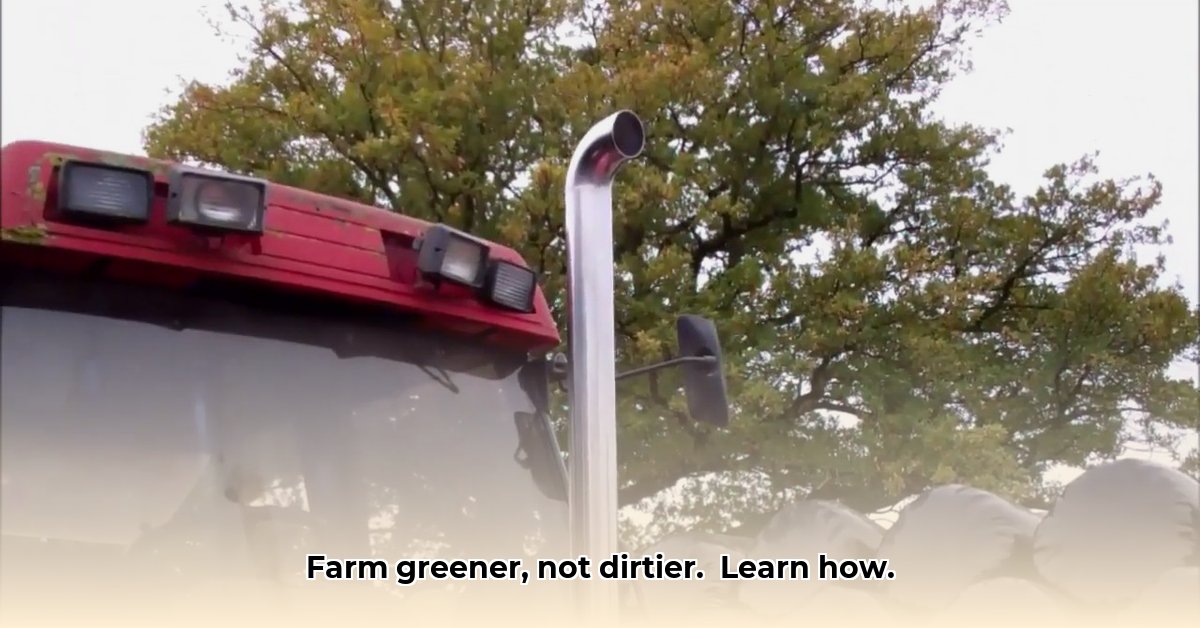
Your tractor's exhaust system isn't just a pipe; it's a network of components crucial for efficient operation and reduced emissions. Think of it like your tractor's respiratory system. The exhaust manifold collects gases from the engine cylinders. These gases then travel through the exhaust pipe, a durable metal tube carrying fumes away. Finally, the muffler (silencer) reduces noise and some pollutants. Understanding each component is key to improving its performance and minimizing emissions. Regularly inspecting for cracks, rust, or leaks is essential, as a damaged system lowers efficiency, increases emissions, and can harm your engine. A properly functioning system is critical for both the longevity of your equipment and environmental sustainability.
Emission Reduction Techniques: Practical Steps
Several proven strategies significantly lower harmful emissions. Let's explore the most effective options:
Exhaust System Upgrades: Adding a diesel particulate filter (DPF) (a filter trapping soot and particles) and/or a diesel oxidation catalyst (DOC) (which converts harmful pollutants into less harmful substances) can dramatically reduce emissions. These upgrades represent a higher initial investment but offer long-term benefits through reduced emissions and potentially improved engine performance. "Implementing DPF and DOC technologies can reduce particulate matter and NOx emissions by up to 90%," says Dr. Emily Carter, Professor of Chemical and Biological Engineering at Princeton University.
Alternative Fuels: Biodiesel or other biofuels offer a greener alternative to traditional diesel. These renewable fuels often produce fewer greenhouse gases. However, always verify compatibility with your tractor's engine; using the wrong fuel can cause serious damage. "The transition to biofuels presents a significant opportunity for reducing emissions, but careful consideration of fuel compatibility is crucial," notes Dr. Robert Brown, Agricultural Engineer at the University of California, Davis.
Engine Optimization: Regular engine tune-ups are essential. A well-maintained engine runs cleaner and more efficiently, directly impacting fuel consumption and emissions. Regular maintenance is like preventive medicine for your tractor; it extends its lifespan and improves performance. This cost-effective approach provides substantial long-term gains.
Precision Agriculture: GPS-guided tractors and variable-rate technology optimize your work, reducing fuel consumption and emissions by minimizing unnecessary trips and fuel usage. This approach is about working smarter, not harder, leading to environmental and financial benefits.
Choosing the Best Approach: Cost-Benefit Analysis
The optimal strategy depends on your budget, tractor type, and farm operation. Here's a comparative analysis:
| Method | Cost | Effectiveness | Feasibility | Long-Term Benefits |
|---|---|---|---|---|
| Exhaust System Upgrades | High | High | Moderate | Reduced maintenance, improved longevity |
| Alternative Fuels | Moderate to High | Moderate to High | Low to Moderate | Environmental benefits, potential cost savings |
| Engine Optimization | Low | Moderate | High | Fuel efficiency, extended engine life |
| Precision Agriculture | Low to Moderate | Moderate to High | High | Improved yields, less fuel, minimized environmental impact |
For example, while exhaust system upgrades offer the most significant emission reduction, they have a high initial cost. For budget-conscious farmers, engine optimization and precision agriculture offer immediate, cost-effective improvements.
Maintenance and Troubleshooting: Prevention is Key
Regular exhaust system inspections are crucial. Look for cracks, rust, blockages, or corrosion, addressing issues promptly to avoid costly repairs and maintain optimal emission control. Proactive maintenance is key to longevity and efficiency. Regular cleaning of DPF filters, for example, is crucial to maintaining performance.
Regulations and Incentives: Government Support
Many governments offer incentives to farmers adopting sustainable technologies. Research local programs and subsidies, as these can dramatically lower the upfront costs of cleaner technologies. Staying informed about relevant regulations is vital for long-term compliance and potential financial benefits.
Conclusion: Sustainable Farming Starts with You
Reducing tractor emissions is achievable with a combination of technological and practical approaches. By implementing these strategies, you contribute to a healthier environment and potentially realize long-term cost savings. Every step towards sustainability makes a difference: contribute to a greener future, one tractor at a time.